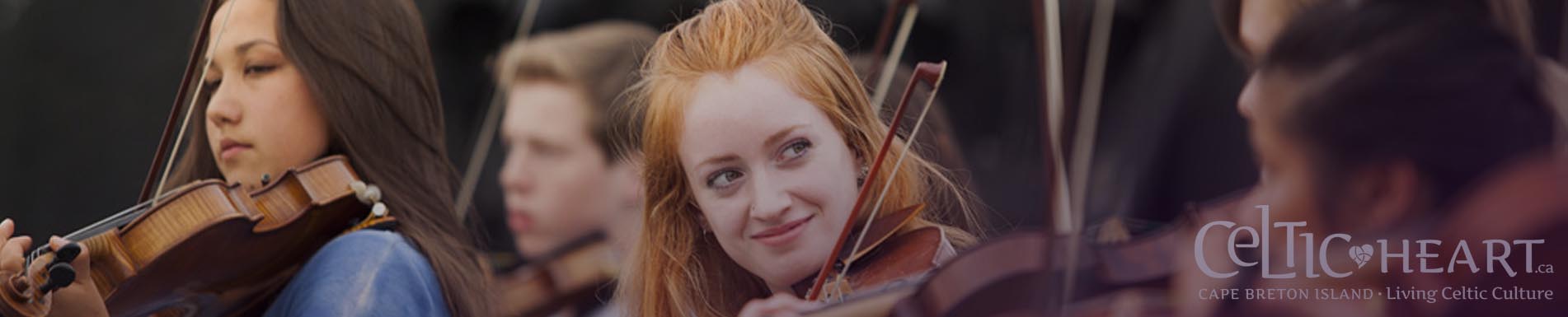
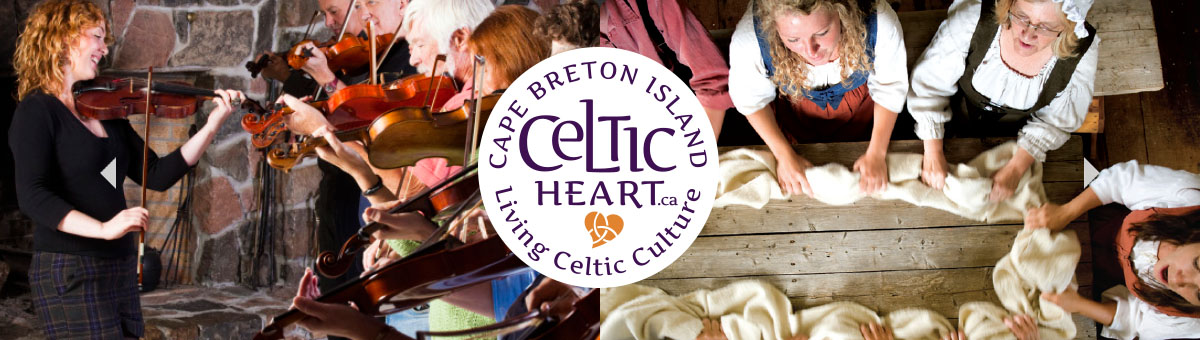
Welcome to Celtic Heart, your guide to discovering Cape Breton Island's living Celtic culture, the only one of its kind in North America.
Join our mailing list
Watch the Celtic Heart film
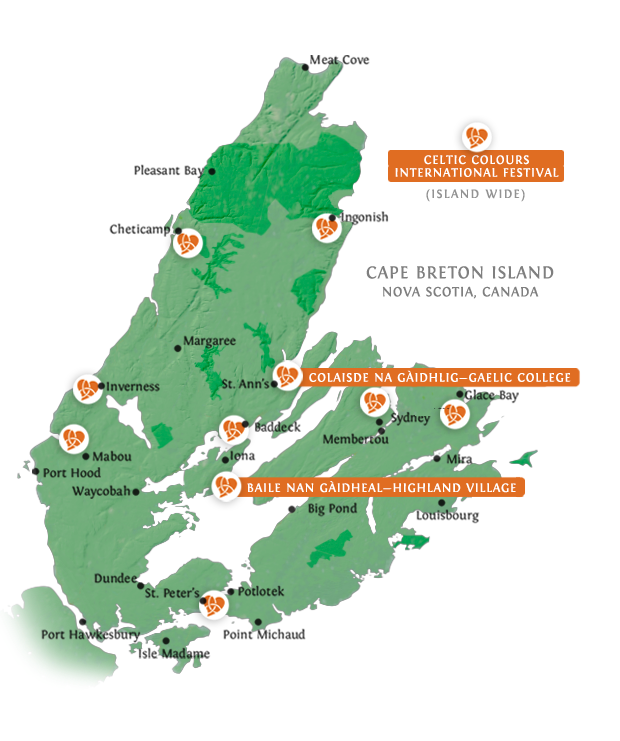
Our Celtic Island at a Glance
Highland Village Museum | Baile nan Gàidheal
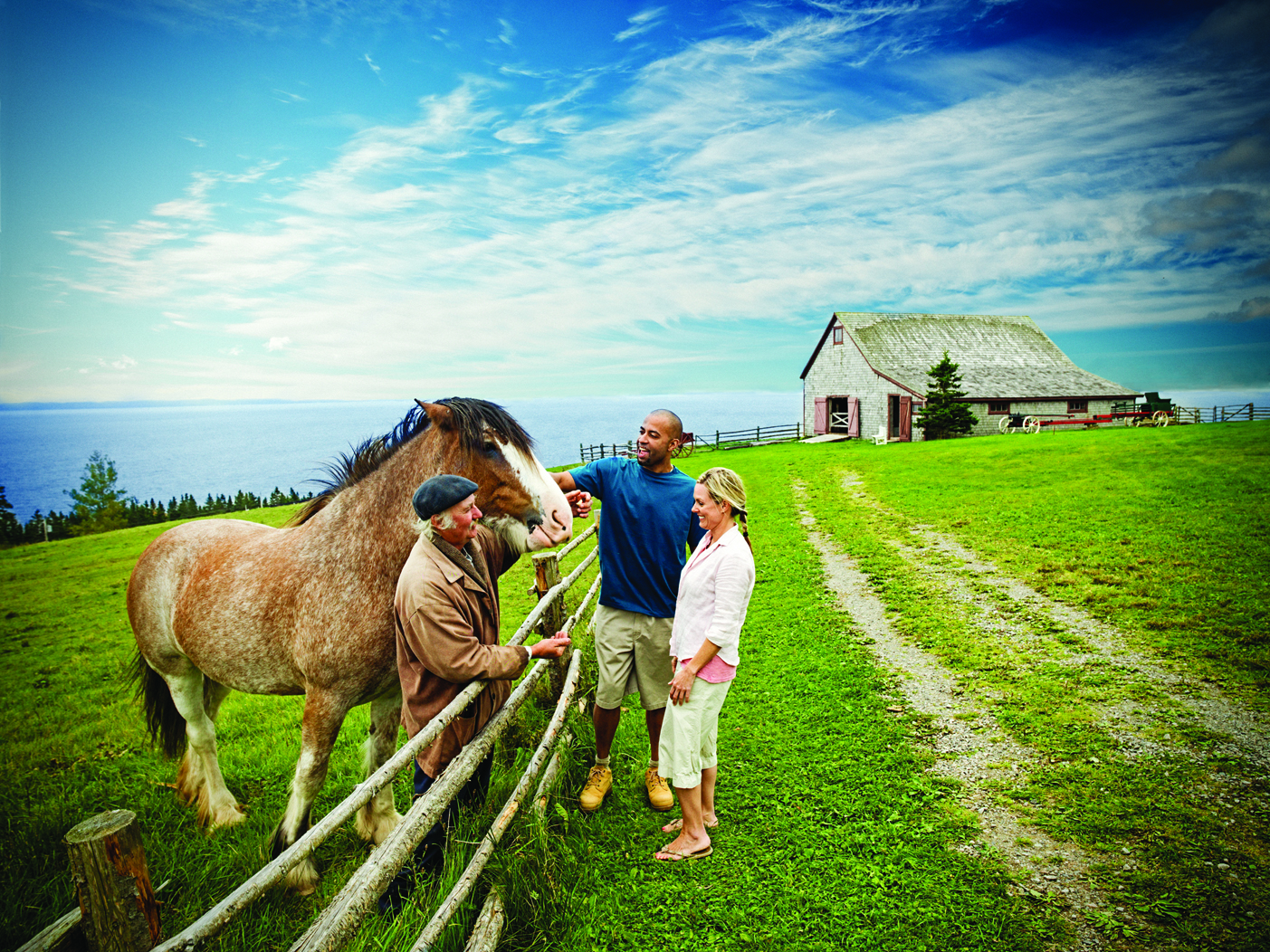
We are North America’s only living history museum for Gaelic language and culture. Our breathtaking 43-acre site features one of the most unbelievable views of the Barramens Strait, eleven historic buildings, including three frame houses (c1830-1900), a store, a carding mill, a church and a forge. Take part in a traditional céilidh, hear Gaelic singing,.. More
Colaisde na Gàidhlig | The Gaelic College
Experience Gaelic culture with concerts, ceilidhs (pronounced kay-lees), classes, and more! A visit to the Great Hall of the Clans gives you an inside look at the traditions of those who settled in this area. Learn about the art of kilt-making, try your hand at milling, and watch our resident weaver at the loom; all.. More
Celtic Colours International Festival
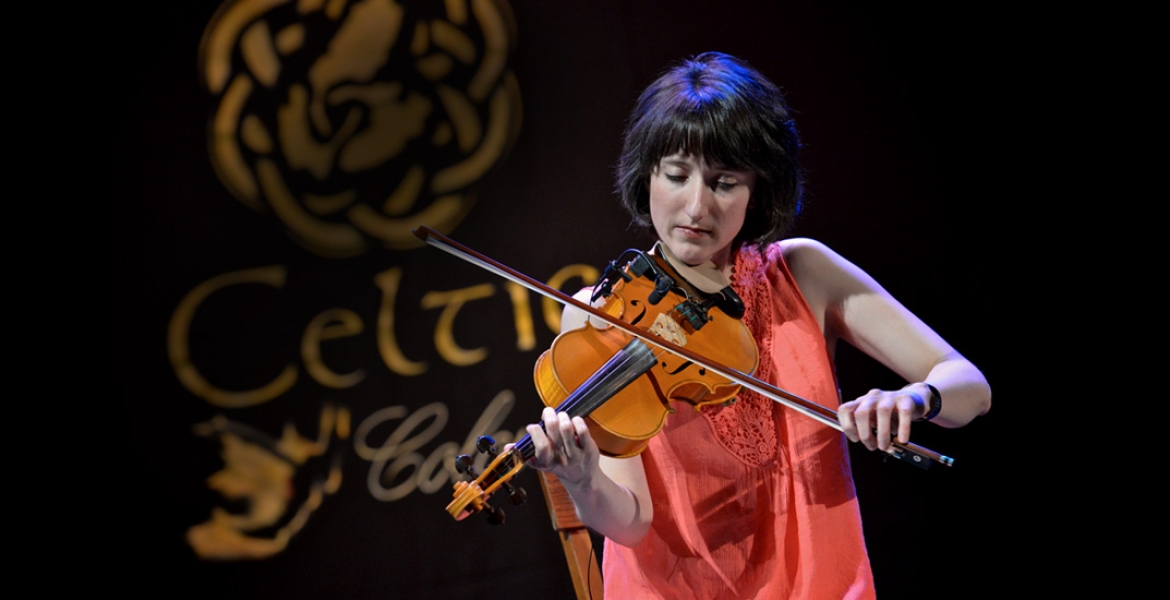
The Celtic Colours International Festival is a unique celebration of Cape Breton Island’s living traditional culture. For nine days in October you’ll discover hundreds of events and activities taking place in communities around the Island. Since its introduction in 1997, Celtic Colours has grown to become one of Canada’s premiere musical events, and a cultural highlight of Nova.. More
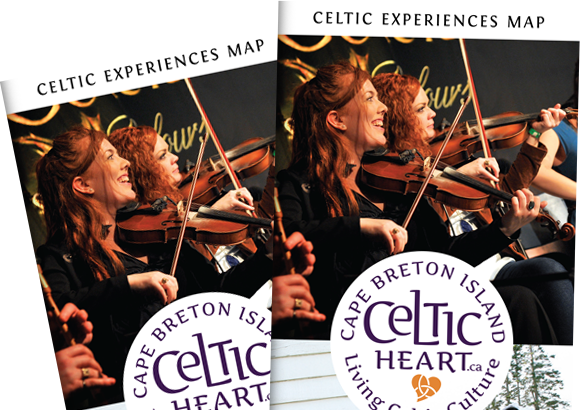
Look out for our Experiences Map, available Island-wide
Our Celtic experience partners


Celtic events
Pioneer Day
Saturday, September 15th 2018
This afternoon festival of rural life is for the entire family. Join us for a corn boil, square dance, milling frolic, traditional cooking, natural dye displays, traditional woodworking and iron work demonstrations. Watch the Cash Carding Mill demonstrations, and a…
Cabot Trail Writers’ Festival
Friday, September 28th 2018 - Sunday, September 30th 2018
One of the most famous roads in the world, the Cabot Trail, lends its name and wends its way to one of the hottest writers’ festivals around: The Cabot Trail Writers’ Festival. Hatching plots and trading tales amid the glorious…
Masters Concert at the Celtic Music Interpretive Centre
Thursday, October 4th 2018
TICKETS ON SALE JANUARY 2018 A concert not to be missed that always sell out quickly! Opening concert for the Buddy MacMaster Fiddle Camp featuring a host of Cape Breton's finest fiddlers together with top-notch accompanists in an incredible night…